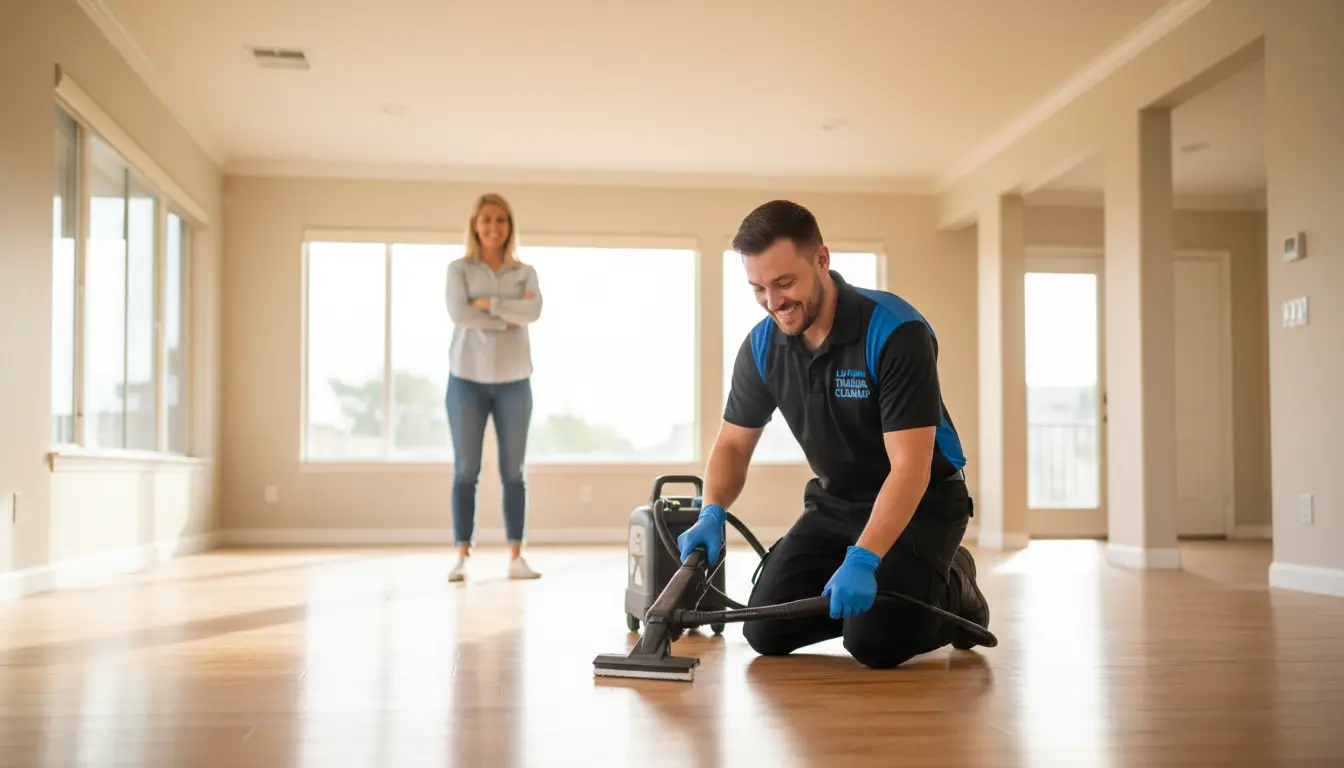
As a certified biohazard remediation specialist in Las Vegas, I’ve witnessed firsthand the devastating aftermath of traumatic events in residential properties. The memories of a family’s desperate attempt to clean up a blood spill in their living room, only to later discover the lingering presence of bloodborne pathogens, still haunt me. This experience underscored the critical importance of professional trauma and biohazard cleanup, which is not only legally required but also essential for ensuring the health and safety of occupants.
The risks associated with DIY blood cleanup are multifaceted and can have severe consequences. In Las Vegas, the scorching Mojave Desert heat accelerates biological decomposition, leading to rapid odor permeation and increased cross-contamination risks. Moreover, the city’s high-density residential properties and transient populations amplify the need for swift, discreet, and thorough biohazard remediation. Las Vegas Trauma Cleanup, with its team of highly trained experts, stands as the premier service provider in the area, offering compassionate and authoritative solutions for traumas, unattended deaths, and crime scenes. For immediate assistance, call (702) 602-9635.
The significance of professional intervention cannot be overstated. Not only does it mitigate the immediate health hazards, but it also addresses the long-term structural integrity of the property and the psychological well-being of those affected. The process begins with a thorough hazard assessment, followed by the establishment of containment zones to prevent cross-contamination. The use of specialized equipment, such as HEPA air scrubbers and ozone generators, ensures the elimination of airborne pathogens and the neutralization of odors.
Technical Process of Trauma Cleanup
The technical process of trauma cleanup is meticulous and scientifically grounded. It involves the removal of bio-load, chemical sanitization, and deodorization, culminating in ATP clearance to ensure the space is safe for reoccupation. The choice of remediation methods is dictated by local conditions, including the extreme temperatures of Las Vegas, which necessitate rapid action to prevent the proliferation of pathogens.
A crucial aspect of this process is the understanding of enzymatic degradation and vector control. Enzyme-based bio-digesters are used to break down protein-based substances, such as blood, into harmless components. Meanwhile, vector control measures are implemented to prevent the spread of disease through pests and insects that may have come into contact with the biohazardous materials.
Data Comparison
To illustrate the superiority of professional biohazard remediation over standard janitorial or DIY cleaning, consider the following comparison:
| Feature/Metric | Professional Biohazard Remediation | Standard Janitorial Cleaning |
|---|---|---|
| Pathogen Eradication | 99.99% effective against bloodborne pathogens | Variable, often ineffective against certain pathogens |
| Cross-Contamination Risk | Minimized through containment and protocols | High, due to lack of proper training and equipment |
| Legal/OSHA Compliance | Ensures compliance with all relevant regulations | Often non-compliant, risking legal repercussions |
Source: OSHA Bloodborne Pathogens Standard
Expert Insights
Professionals in the field offer several key insights into the process. Firstly, the proper handling of porous versus non-porous materials is critical, as each requires a different approach to ensure complete decontamination. Secondly, the chemistry of enzyme-based bio-digesters is integral to breaking down complex biological substances safely and effectively. Lastly, strict PPE protocols are essential for protecting remediation workers from exposure to harmful pathogens.
Common mistakes by property owners include the use of standard household bleach on blood, which can actually set the stain and make it more difficult to remove, and the improper disposal of biohazardous waste, which poses serious health and legal risks. These mistakes can lead to secondary infections, legal liability, and even structural damage to the property.
Pricing Considerations
The cost of professional trauma cleanup services can vary widely depending on several factors, including the volume of bio-load, the need for structural tear-out of subflooring or drywall, regulated medical waste disposal fees, and the intensity of odor treatments required. Services may be priced on an hourly remediation rate, with additional flat fees for disposal and environmental testing. It’s essential to work with a transparent and reputable service provider to understand the breakdown of costs and ensure that all work is done to the highest standard.
Safety and Standards
The adherence to specific certifications, such as those offered by the American Bio Recovery Association (ABRA), and compliance with OSHA protocols (29 CFR 1910.1030) are paramount. The use of EPA-registered, hospital-grade, broad-spectrum disinfectants ensures the elimination of a wide range of pathogens, including Hepatitis B, C, and HIV. These practices not only protect the current occupants but also future residents of the property, underscoring the long-term value of professional biohazard remediation.
Frequently Asked Questions
What is the first step in addressing a traumatic event in a residential property?
The first step is always to ensure the safety of all individuals involved, followed by contacting a professional biohazard remediation service. Immediate action is crucial to prevent the spread of pathogens and to mitigate the psychological impact on those affected.
How do I know if I need professional trauma cleanup services?
If you are dealing with a situation involving blood, bodily fluids, or other potentially infectious materials, it is essential to seek professional help. DIY attempts at cleanup can lead to serious health risks and legal issues, making professional intervention the safest and most compliant choice.
What is the difference between biohazard remediation and standard cleaning services?
While standard cleaning services may address visible dirt and grime, biohazard remediation is specifically designed to eliminate pathogens and restore a property to a safe condition. This involves specialized training, equipment, and protocols that standard cleaning services do not provide.
How long does the trauma cleanup process typically take?
The duration of the cleanup process can vary significantly depending on the extent of the biohazard, the size of the affected area, and the materials involved. A professional service will be able to provide a more accurate timeline after conducting an initial assessment.
Conclusion
In conclusion, the dangers of DIY blood cleanup in residential properties are very real and can have lasting consequences. The importance of professional trauma and biohazard remediation cannot be overstated, especially in high-risk environments like Las Vegas, NV. By understanding the technical process, the risks of non-compliance, and the value of expert services, property owners can make informed decisions that protect their health, their properties, and their legal standing.
For those facing the aftermath of a traumatic event, it’s crucial to act swiftly and responsibly. Las Vegas Trauma Cleanup stands ready to provide compassionate, authoritative, and discreet services. Don’t hesitate to reach out for immediate assistance at (702) 602-9635. Remember, the safety and well-being of you and your loved ones depend on the right response to trauma and biohazard situations.
By choosing professional trauma cleanup services, you not only ensure the immediate safety of your property but also contribute to the long-term health and resilience of your community. In the face of trauma, making the right choice can be the difference between recovery and prolonged suffering. Let Las Vegas Trauma Cleanup be your partner in restoring safety, dignity, and peace of mind to your home and your life.