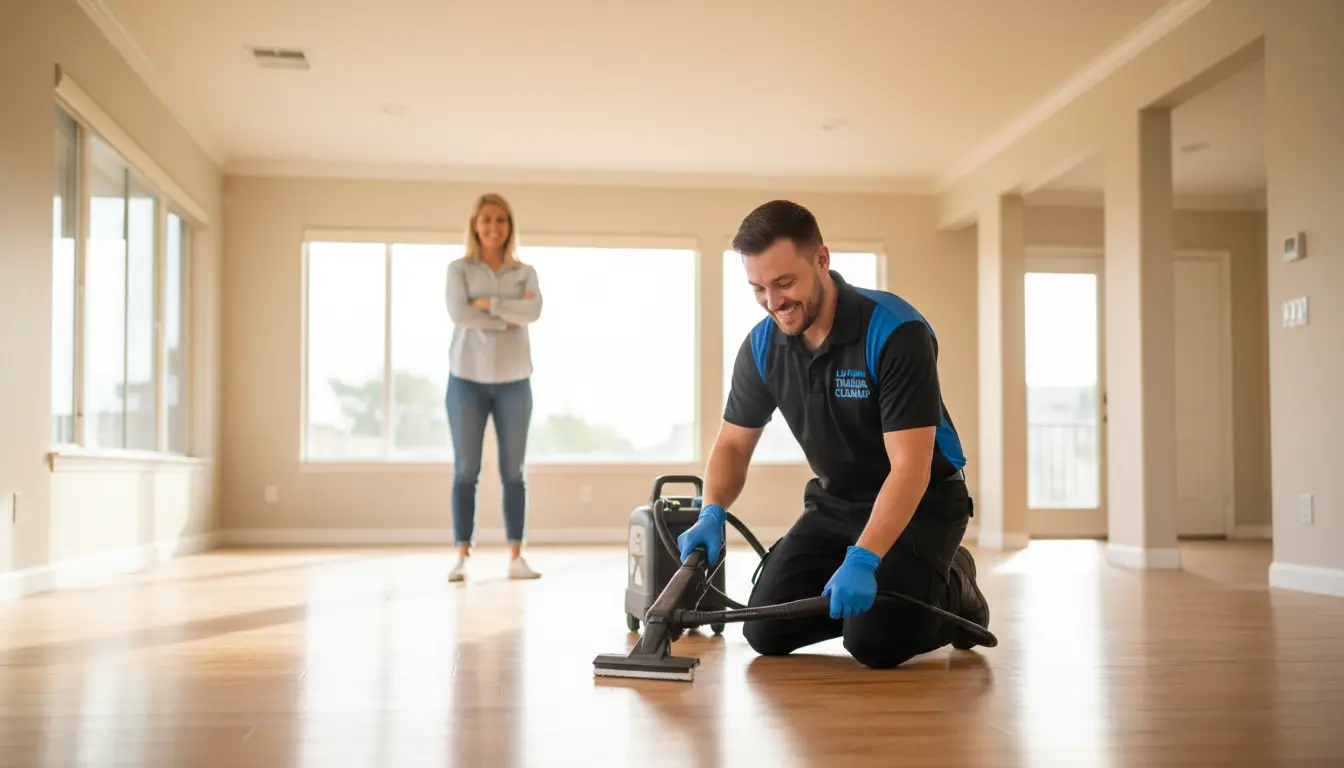
Crime scene cleanup and biohazard cleaning are two terms often used interchangeably, but they have distinct differences in their application, scope, and regulatory compliance. Crime scene cleanup specifically refers to the process of cleaning and disinfecting areas where a crime has occurred, often involving the removal of blood, bodily fluids, and other biohazards. On the other hand, biohazard cleaning is a broader term that encompasses the cleanup of any environment contaminated with biological agents, including but not limited to crime scenes.
Understanding the distinction between these two services is crucial for individuals and businesses seeking professional help in the aftermath of a traumatic event. In Las Vegas, NV, where the desert climate can accelerate the decomposition of biological materials, prompt and proper cleanup is not only a matter of aesthetics but also a critical factor in preventing the spread of diseases and ensuring the structural integrity of properties. For those in need of such services, Las Vegas Trauma Cleanup stands as a premier provider, offering discreet, compassionate, and expert biohazard remediation. They can be reached at (702) 602-9635 for immediate assistance.
The importance of professional trauma and biohazard remediation cannot be overstated. These services are not only legally required in many cases but also critical for the safety of individuals who might otherwise be exposed to harmful pathogens. Unlike standard janitorial services, professional biohazard cleanup involves specialized training, equipment, and protocols designed to eradicate biological hazards completely. For instance, individuals looking for fast emergency trauma cleanup in Las Vegas can rely on such specialized services to restore their properties safely.
Technical Process of Biohazard Cleanup
The technical process of biohazard cleanup is meticulous and involves several steps, starting with a thorough hazard assessment to identify all areas and materials contaminated with biological agents. This assessment is crucial for determining the scope of work, the necessary personal protective equipment (PPE) for the technicians, and the specific cleaning and disinfection protocols to be used. Following the assessment, technicians establish containment zones to prevent cross-contamination and ensure that the cleanup process does not spread biological hazards to unaffected areas.
Once containment is established, the bio-load removal process begins, which involves the careful collection and disposal of all contaminated materials, including blood-soaked carpets, upholstered furniture, and other porous items that cannot be effectively cleaned and disinfected. This step is followed by chemical sanitization using EPA-registered disinfectants and, in some cases, the application of enzymatic cleaners to break down protein-based biohazards like blood. The final steps include deodorization, typically achieved through the use of ozone generators or hydroxyl machines, and ATP (adenosine triphosphate) testing to verify the cleanliness of the area.
In the context of Las Vegas’s extreme climate, the rapid acceleration of biological decomposition necessitates swift action. For vehicle owners who have experienced a traumatic event within their vehicle, vehicle biohazard cleanup services are available, highlighting the specialized nature of biohazard remediation.
Data Comparison
When considering the effectiveness and safety of professional biohazard remediation versus standard janitorial or DIY cleaning, several key factors come into play. The following comparison illustrates the significant differences in pathogen eradication, cross-contamination risk, and legal/OSHA compliance between these approaches.
| Feature/Metric | Professional Biohazard Remediation | Standard Janitorial/DIY Cleaning |
|---|---|---|
| Pathogen Eradication | 99.99% or higher | Variable, often significantly lower |
| Cross-Contamination Risk | Minimized with proper protocols | High without specialized training and equipment |
| Legal/OSHA Compliance | Ensured through adherence to regulations | Often not met due to lack of knowledge or compliance |
Source: OSHA Bloodborne Pathogens Standard.
Expert Insights
For individuals dealing with the aftermath of a traumatic event, understanding the intricacies of biohazard cleanup can be overwhelming. Expert technicians in this field emphasize the importance of proper handling of porous versus non-porous materials, the chemistry behind enzyme-based bio-digesters, and the stringent adherence to PPE protocols to prevent exposure to biological hazards.
Common mistakes property owners make include attempting to clean biohazards with standard household bleach, which can be ineffective against certain pathogens and may even amplify the problem by spreading the contamination. Another critical error is the improper disposal of biohazardous waste, which can lead to legal issues, environmental hazards, and the risk of disease transmission. For complex scenarios such as hoarding biohazard cleanup, specialized services are essential to navigate the unique challenges safely and effectively.
Pricing and Cost Factors
The cost of professional biohazard cleanup services can vary widely depending on several factors, including the volume of bio-load, the extent of the contamination, the need for structural tear-out and repair, and the costs associated with regulated medical waste disposal. Additional factors such as the intensity of the odor, the presence of hazardous materials, and the requirement for specialized equipment like ozone generators or electrostatic sprayers can also influence the pricing. It’s crucial for property owners to understand that while the cost may seem significant, the long-term benefits of professional biohazard remediation, including the prevention of disease transmission and the preservation of property value, far outweigh the expenses.
Safety and Standards
Safety is paramount in biohazard cleanup, and adherence to specific certifications, such as those provided by the American Bio Recovery Association (ABRA), and compliance with OSHA protocols (29 CFR 1910.1030) are essential. The use of EPA-registered, hospital-grade disinfectants is also critical for ensuring that all biological hazards are effectively eradicated. By choosing a service provider that adheres to these standards, property owners can ensure that their environment is not only clean but also safe for occupancy.
FAQs
What is the difference between crime scene cleanup and biohazard cleaning?
Crime scene cleanup and biohazard cleaning differ in their scope and application. Crime scene cleanup is specifically focused on the cleanup of areas where a crime has occurred, involving the removal of blood, bodily fluids, and other biohazards. Biohazard cleaning, on the other hand, is a broader term that includes the cleanup of any environment contaminated with biological agents, not limited to crime scenes.
How long does biohazard cleanup typically take?
The duration of biohazard cleanup can vary significantly depending on the extent of the contamination, the size of the area affected, and the complexity of the cleanup process. It can range from a few hours for minimal incidents to several days or even weeks for large-scale contaminations.
Is biohazard cleanup covered by insurance?
Insurance coverage for biohazard cleanup depends on the policy and the circumstances of the incident. Many homeowners and business insurance policies cover biohazard remediation as part of their property damage coverage. However, it’s essential to review your policy or consult with your insurance provider to understand what is covered and what is not.
Can I perform biohazard cleanup myself?
It is strongly advised against attempting to perform biohazard cleanup yourself. Biohazardous materials pose significant health risks, and improper handling can lead to the spread of diseases, legal liabilities, and further contamination. Professional biohazard cleanup technicians have the necessary training, equipment, and experience to safely and effectively remediate biological hazards.
Conclusion
In conclusion, the distinction between crime scene cleanup and biohazard cleaning is significant, with each requiring specialized knowledge, equipment, and protocols. For individuals and businesses in Las Vegas, NV, facing the aftermath of a traumatic event, it’s crucial to seek professional help from a reputable and compassionate service provider like Las Vegas Trauma Cleanup. By understanding the technical process, data comparison, expert insights, and FAQs related to biohazard cleanup, property owners can make informed decisions about their safety and the integrity of their properties. For immediate assistance, call (702) 602-9635.
The importance of safe, thorough bioremediation and structural restoration cannot be overstated. Las Vegas Trauma Cleanup stands as a beacon of hope and professionalism in the face of traumatic events, offering not just a service, but a commitment to the well-being and safety of the community. Whether you’re dealing with the aftermath of a crime, a suicide, an unattended death, or any other traumatic event, remember that professional biohazard cleanup is not just a necessity, but a critical step towards healing and recovery.