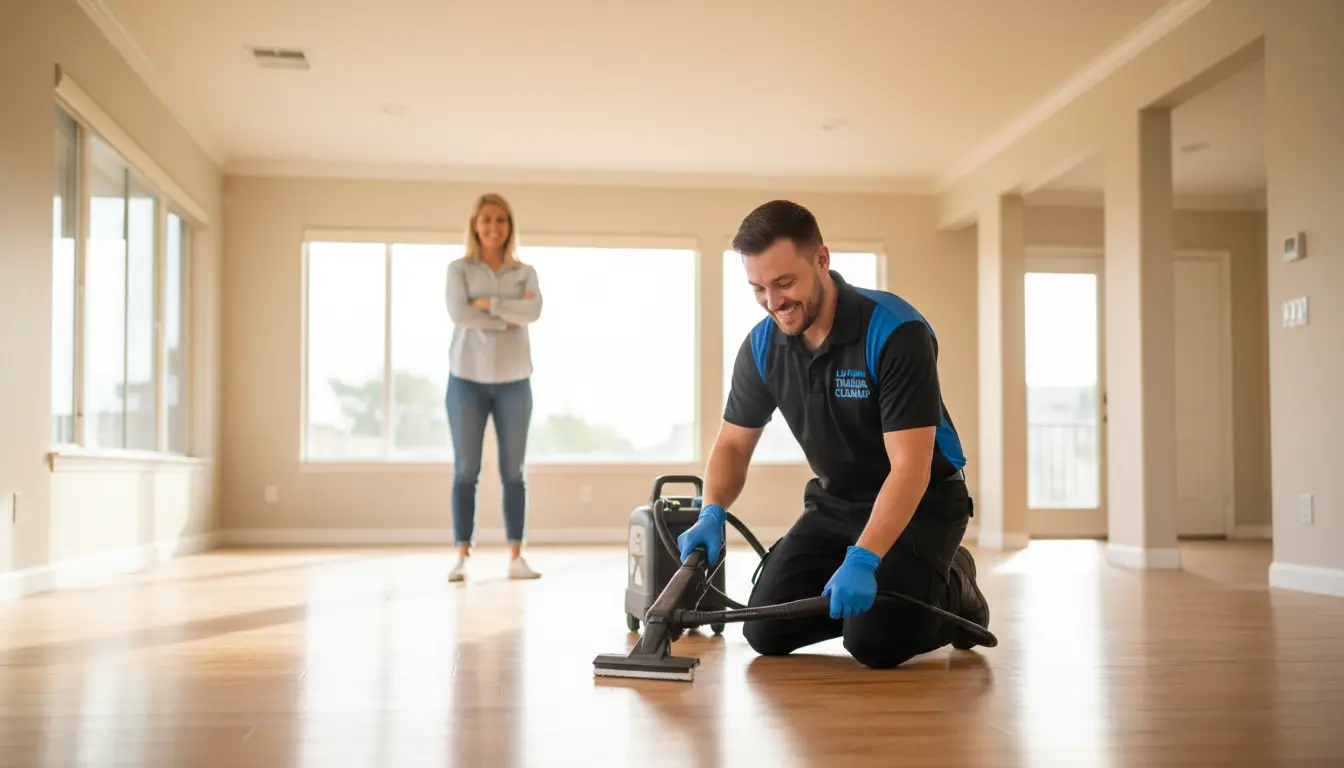
According to a 2020 report, Las Vegas experiences an average of 12 traumatic incidents per month in hotel rooms alone, resulting in a significant need for biohazard cleanup services. This staggering statistic highlights the importance of professional trauma cleanup in ensuring the safety and well-being of hotel staff, guests, and the general public. In the aftermath of a traumatic event, it is crucial to prioritize thorough biohazard remediation to prevent the spread of bloodborne pathogens, bacterial infections, and other health risks. In Las Vegas, NV, Las Vegas Trauma Cleanup stands as the premier service provider, offering discreet and compassionate biohazard cleanup solutions. For immediate assistance, call (702) 602-9635.
The process of biohazard cleanup is intricate and requires specialized training, equipment, and protocols to ensure compliance with OSHA regulations and ABRA guidelines. It is essential to recognize that biohazard cleanup is not a task for untrained individuals, as it poses significant health risks and can lead to legal liability. By entrusting the cleanup process to professionals, property owners can ensure that the affected area is restored to a safe and healthy environment.
Professional trauma cleanup involves a meticulous step-by-step process, including hazard assessment, establishing containment zones, bio-load removal, chemical sanitization, and deodorization/ATP clearance. This process necessitates the use of specific tools, such as HEPA air scrubbers, ozone generators, and electrostatic sprayers, which are designed to eradicate pathogens and eliminate odors. In Las Vegas’s extreme desert climate, where temperatures can rapidly accelerate biological decomposition, the chosen remediation and odor control methods must be tailored to address these unique challenges.
Trauma Cleanup Workflow
The technical process of trauma cleanup is complex and demands a thorough understanding of biohazard remediation principles. It begins with a comprehensive hazard assessment to identify potential risks and develop a tailored cleanup strategy. Establishing containment zones is crucial to prevent cross-contamination and ensure that the affected area is isolated from the rest of the property.
Bio-load removal is a critical step, as it involves the safe and sanitary disposal of biological materials, including blood, bodily fluids, and tissues. This process must be conducted in accordance with OSHA Bloodborne Pathogens Standard and ABRA guidelines to minimize the risk of exposure to infectious diseases. Chemical sanitization and deodorization/ATP clearance follow, utilizing EPA-registered disinfectants and advanced technologies to eradicate pathogens and eliminate residual odors.
Comparison of Professional Biohazard Remediation and Standard Janitorial/DIY Cleaning
A comparison of professional biohazard remediation and standard janitorial/DIY cleaning highlights the superiority of the former in terms of pathogen eradication, cross-contamination risk, and legal/OSHA compliance.
| Feature/Metric | Professional Biohazard Remediation | Standard Janitorial Cleaning |
|---|---|---|
| Pathogen Eradication | 99.99% reduction | Variable, often inadequate |
| Cross-Contamination Risk | Minimized through containment and protocols | High, due to lack of specialized training and equipment |
| Legal/OSHA Compliance | Ensured through adherence to regulations and guidelines | Often compromised due to lack of knowledge and non-compliance |
Source: OSHA Bloodborne Pathogens Standard and ABRA Reference Guide
Expert Insights
Professional biohazard cleanup experts emphasize the importance of proper handling of porous vs. non-porous materials, as well as the chemistry of enzyme-based bio-digesters in breaking down complex biological substances. Strict PPE protocols are also crucial in preventing exposure to infectious diseases. Common mistakes made by property owners include using standard household bleach on blood, which can amplify the risk of infection, and improper disposal of biohazardous waste, which can lead to legal liability and environmental hazards.
Pricing
The cost of biohazard cleanup services can vary depending on several factors, including the volume of bio-load, required structural tear-out of subflooring/drywall, regulated medical waste disposal fees, and intensive odor treatments. Hourly remediation rates, flat fees for disposal, and specific environmental testing fees are common pricing structures. It is essential for property owners to understand that the cost of professional biohazard cleanup is a critical investment in the safety and well-being of occupants, as well as the long-term value of the property.
Safety and Standards
Las Vegas Trauma Cleanup adheres to the highest safety standards, including ABRA certification, OSHA protocols (29 CFR 1910.1030), and the use of EPA-registered, hospital-grade, broad-spectrum disinfectants. These protocols are essential in protecting future property occupants from Hepatitis B, C, HIV, and other microscopic pathogens. By prioritizing safety and compliance, Las Vegas Trauma Cleanup ensures that every property is restored to a safe and healthy environment, minimizing the risk of secondary infections and legal liability.
Frequently Asked Questions
What is the difference between biohazard cleanup and standard cleaning?
Biohazard cleanup involves the removal and disposal of biological materials, such as blood and bodily fluids, which can pose significant health risks. Standard cleaning, on the other hand, is designed to remove dirt, dust, and other non-hazardous substances. Biohazard cleanup requires specialized training, equipment, and protocols to ensure safe and compliant removal of hazardous materials.
How long does the biohazard cleanup process take?
The duration of the biohazard cleanup process can vary depending on the scope of the incident, the size of the affected area, and the complexity of the cleanup. In general, the process can take anywhere from a few hours to several days or even weeks. It is essential to prioritize thoroughness and safety over speed, as rushing the cleanup process can compromise the quality of the results and pose health risks.
What are the risks of DIY biohazard cleanup?
DIY biohazard cleanup poses significant health risks, including exposure to bloodborne pathogens, bacterial infections, and other infectious diseases. Without proper training, equipment, and protocols, individuals can inadvertently spread contaminants, compromise their health, and face legal liability. It is crucial to entrust biohazard cleanup to professionals who possess the necessary expertise and resources to ensure safe and compliant removal of hazardous materials.
How can I prevent the need for biohazard cleanup in the future?
Preventing the need for biohazard cleanup involves taking proactive measures to minimize the risk of traumatic incidents. This can include implementing safety protocols, providing training and education, and maintaining a clean and safe environment. Regular inspections and maintenance can also help identify potential hazards and prevent accidents. By prioritizing safety and prevention, property owners can reduce the risk of traumatic incidents and the need for biohazard cleanup.
Professional Trauma Cleanup in Las Vegas, NV
In conclusion, professional trauma cleanup is a critical aspect of ensuring the safety and well-being of hotel staff, guests, and the general public in Las Vegas, NV. By entrusting the cleanup process to Las Vegas Trauma Cleanup, property owners can ensure that the affected area is restored to a safe and healthy environment, minimizing the risk of secondary infections and legal liability. For immediate assistance, call (702) 602-9635 and rely on the expertise and compassion of Las Vegas Trauma Cleanup.