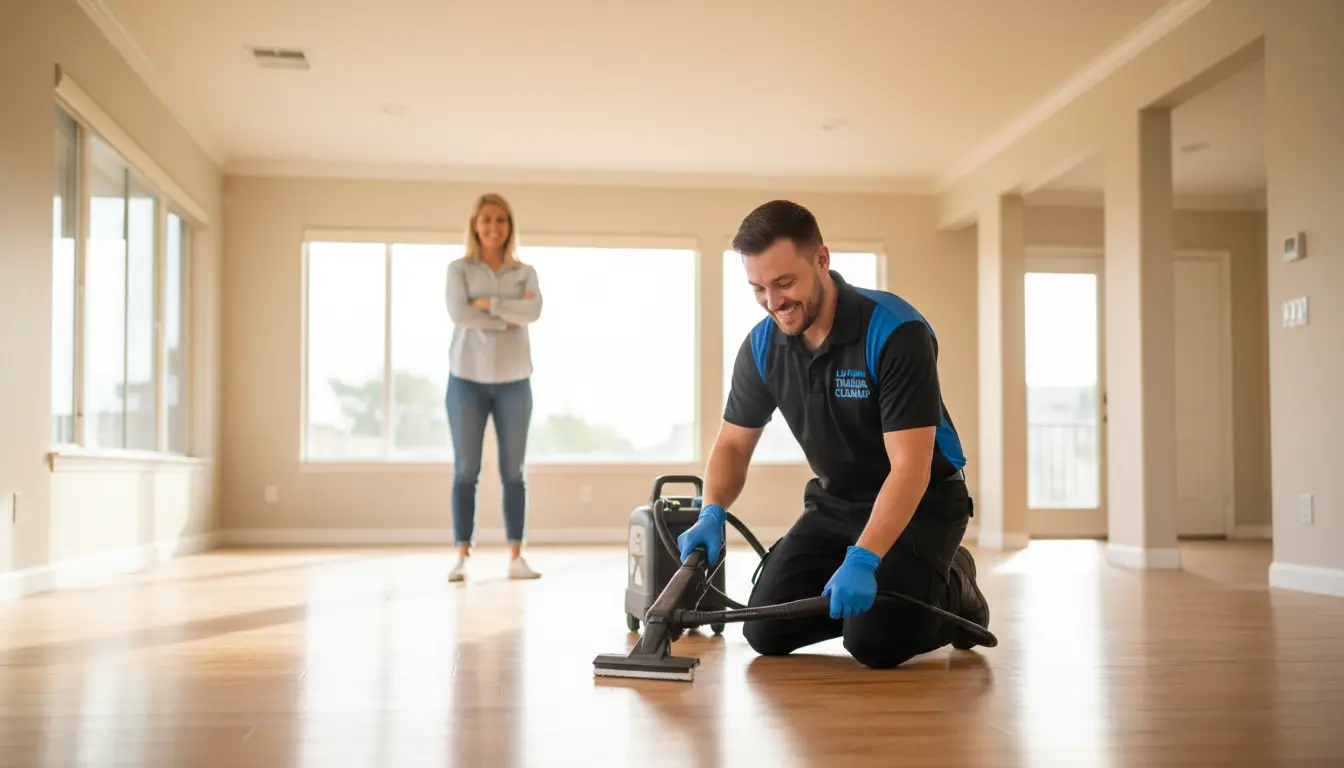
In the context of forensic science and bioremediation, biohazard exposure refers to the contamination of a given area or surface with potentially infectious materials, such as blood, bodily fluids, or other biological substances. This is often distinguished from general cleaning or janitorial services, which typically focus on removing dirt, dust, and other non-biological contaminants. The key distinction lies in the level of risk and the specialized protocols required to safely remediate biohazardous situations, which can pose significant health risks to individuals and communities if not properly addressed.
For instance, in the aftermath of a traumatic event, such as a crime scene or unattended death, the affected area may be contaminated with bloodborne pathogens, requiring specialized cleanup and disinfection procedures to prevent the spread of disease. In Las Vegas, NV, where the extreme desert climate can accelerate the decomposition process and exacerbate the risks associated with biohazard exposure, it is particularly crucial to engage professional trauma and biohazard remediation services.
Las Vegas Trauma Cleanup, a leading provider of biohazard remediation services in the Las Vegas area, emphasizes the importance of prompt and thorough cleanup in ensuring the safety and well-being of individuals and communities. With a team of highly trained and certified technicians, they offer discreet and compassionate service, tailored to the unique needs of each situation. For immediate assistance, please call (702) 602-9635.
Understanding the Technical Process of Biohazard Remediation
The process of biohazard remediation involves a series of carefully planned and executed steps, designed to safely and effectively remove biological contaminants from the affected area. This typically begins with a thorough hazard assessment, to identify the extent and nature of the contamination, followed by the establishment of containment zones to prevent cross-contamination and minimize the risk of exposure.
Next, the bio-load is carefully removed, using specialized equipment and personal protective gear to prevent exposure to potentially infectious materials. The area is then subjected to chemical sanitization, using EPA-registered disinfectants, to eradicate any remaining biological contaminants. Finally, the area is deodorized and cleared of any lingering pathogens, using techniques such as ATP testing to verify the effectiveness of the remediation process.
For more information on the importance of proper biohazard remediation, please visit our blog, which features a range of articles and resources on topics related to trauma cleanup and bioremediation. Additionally, our team of experts is available to provide guidance and support throughout the remediation process, ensuring that each situation is handled with the utmost care and professionalism.
Comparing Professional Biohazard Remediation with Standard Janitorial Cleaning
While standard janitorial cleaning may be sufficient for routine maintenance and upkeep, it is woefully inadequate for addressing biohazardous situations, which require specialized training, equipment, and protocols to ensure safe and effective remediation. The following table highlights some of the key differences between professional biohazard remediation and standard janitorial cleaning:
| Feature/Metric | Professional Biohazard Remediation | Standard Janitorial Cleaning |
|---|---|---|
| Pathogen Eradication | 99.99% or higher | Variable, often inadequate |
| Cross-Contamination Risk | Minimized through containment and protocols | Higher risk due to lack of specialized training and equipment |
| Legal/OSHA Compliance | Ensures compliance with relevant regulations and standards | May not meet regulatory requirements, potentially resulting in liability and fines |
Source: OSHA Bloodborne Pathogens Standard.
Expert Insights and Best Practices
When it comes to biohazard remediation, there are several key considerations and best practices that can help ensure safe and effective cleanup. For example, it is essential to properly handle porous versus non-porous materials, as the latter may require specialized cleaning and disinfection protocols to prevent the spread of disease. Additionally, the use of enzyme-based bio-digesters can be highly effective in breaking down and eliminating biological contaminants, but requires careful application and monitoring to ensure optimal results.
For situations involving hoarding biohazard cleanup, it is particularly important to approach the situation with sensitivity and compassion, while also ensuring that all necessary safety protocols are followed to prevent exposure to potential health risks. Our team of experts is trained to handle these situations with the utmost care and professionalism, providing discreet and effective cleanup services tailored to the unique needs of each situation.
Pricing and Cost Considerations
The cost of biohazard remediation services can vary widely, depending on a range of factors, including the volume and type of biological contaminants, the extent of the affected area, and the level of specialized equipment and protocols required. Some common factors that influence cost include:
- Hourly remediation rates, which can range from $100 to $500 per hour, depending on the level of expertise and equipment required
- Flat fees for disposal, which can range from $500 to $5,000 or more, depending on the volume and type of waste
- Environmental testing fees, which can range from $500 to $5,000 or more, depending on the type and extent of testing required
For more information on the cost of biohazard remediation services, please contact us directly, and our team of experts will be happy to provide a detailed estimate and explanation of the costs involved.
Safety and Standards
In the biohazard remediation industry, safety and standards are of paramount importance, as the risks associated with biological contaminants can be significant and long-lasting. Our team of experts is trained to the highest standards, with certifications from leading organizations such as the American Bio Recovery Association (ABRA) and compliance with OSHA protocols (29 CFR 1910.1030). We use only EPA-registered, hospital-grade disinfectants, and follow strict protocols to prevent cross-contamination and minimize the risk of exposure.
For situations involving vehicle biohazard cleanup, it is particularly important to ensure that all necessary safety protocols are followed, including the use of personal protective equipment and containment procedures to prevent the spread of disease. Our team of experts is trained to handle these situations with the utmost care and professionalism, providing discreet and effective cleanup services tailored to the unique needs of each situation.
Frequently Asked Questions
What is the difference between biohazard remediation and standard janitorial cleaning?
Biohazard remediation is a specialized process designed to safely and effectively remove biological contaminants from an affected area, whereas standard janitorial cleaning is focused on routine maintenance and upkeep. The key differences lie in the level of risk, the specialized training and equipment required, and the protocols followed to ensure safe and effective remediation.
How do I know if I need professional biohazard remediation services?
If you are dealing with a situation involving biological contaminants, such as blood, bodily fluids, or other potentially infectious materials, it is essential to engage professional biohazard remediation services to ensure safe and effective cleanup. This is particularly important in situations where there is a high risk of exposure, such as in the aftermath of a traumatic event or in areas with high foot traffic.
What are the risks associated with biohazard exposure?
The risks associated with biohazard exposure can be significant and long-lasting, including the potential for disease transmission, secondary infections, and structural damage to buildings and other property. Additionally, there may be legal and regulatory implications, including liability and fines, if proper protocols are not followed.
How can I prevent biohazard exposure in the first place?
Preventing biohazard exposure requires a combination of awareness, planning, and proper protocols. This includes taking steps to minimize the risk of accidents and injuries, having a plan in place for emergency situations, and ensuring that all necessary safety equipment and protocols are available and followed. For more information on preventing biohazard exposure, please visit our Ultimate Guide to Trauma Cleanup in Las Vegas.
Conclusion
In conclusion, biohazard remediation is a critical process that requires specialized training, equipment, and protocols to ensure safe and effective cleanup. Whether you are dealing with a traumatic event, an unattended death, or other situation involving biological contaminants, it is essential to engage professional biohazard remediation services to minimize the risks associated with biohazard exposure. At Las Vegas Trauma Cleanup, our team of experts is trained to the highest standards, with certifications from leading organizations and compliance with OSHA protocols. We are committed to providing discreet and effective cleanup services, tailored to the unique needs of each situation. For immediate assistance, please call (702) 602-9635.