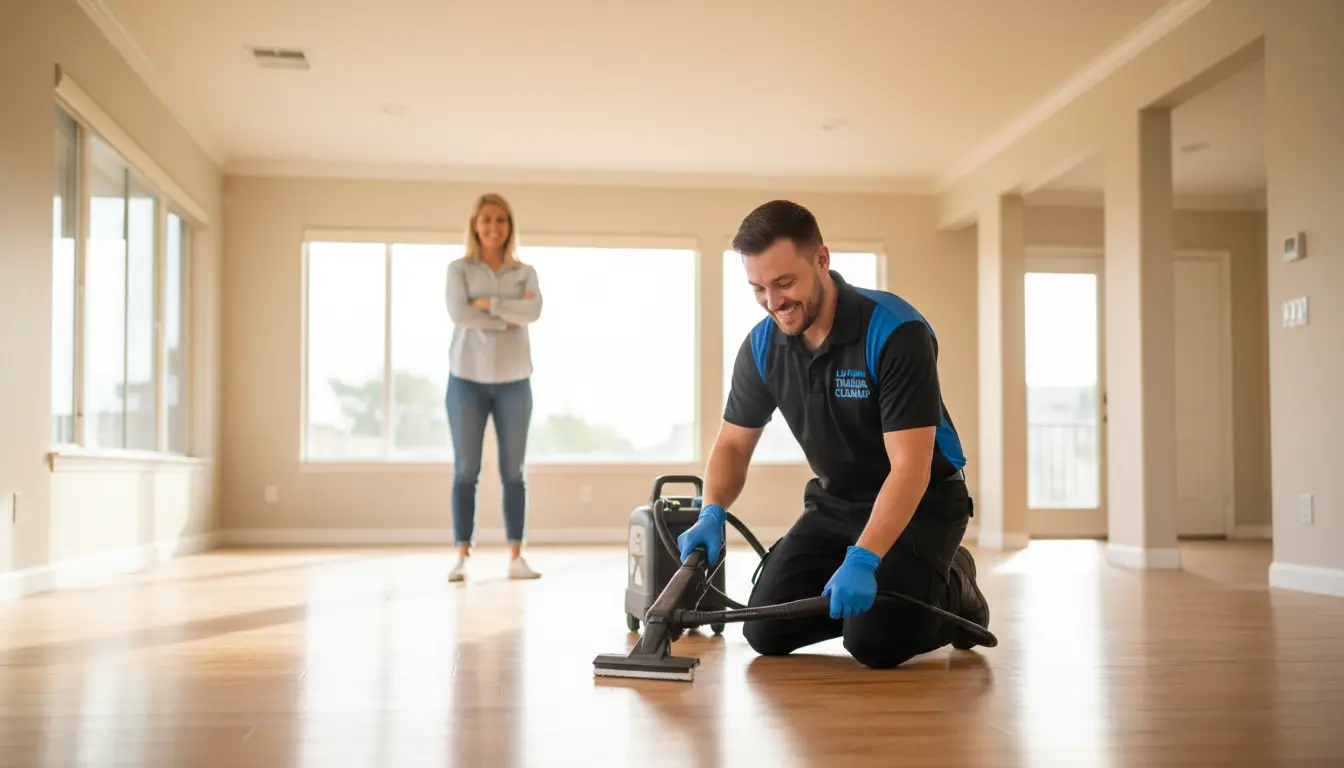
As a certified biohazard and trauma cleanup expert, I recall a particularly challenging scene in a residential property in Las Vegas, where a traumatic event had occurred, leaving behind a complex web of biological hazards and structural contamination. The Mojave Desert heat had accelerated the decomposition process, making every minute count in the remediation efforts. It was a stark reminder of the critical importance of professional trauma and biohazard remediation in ensuring the safety and well-being of individuals and communities.
The risks associated with trauma scenes are multifaceted, ranging from bloodborne pathogens to airborne contaminants, and can have devastating consequences if not addressed properly. In Las Vegas, NV, the unique challenges posed by high-density residential properties, transient populations, and commercial hotel environments demand specialized expertise and equipment. Las Vegas Trauma Cleanup, with its team of highly trained professionals and state-of-the-art technology, is the premier service provider in the area, dedicated to delivering discreet, compassionate, and effective solutions. For immediate assistance, please call (702) 602-9635.
The process of trauma cleanup is intricate and requires a meticulous approach to ensure that all biological hazards are eradicated, and the property is restored to a safe and habitable condition. This involves a step-by-step workflow that includes hazard assessment, establishing containment zones, bio-load removal, chemical sanitization, and deodorization/ATP clearance. Understanding the local variables, such as Las Vegas’s extreme temperatures, is crucial in determining the most effective remediation and odor control methods.
Technical Process of Trauma Cleanup
A thorough understanding of the technical process involved in trauma cleanup is essential for appreciating the complexity and the specialized nature of this work. The first step involves a comprehensive hazard assessment to identify all potential biological hazards and to determine the extent of contamination. This is followed by the establishment of containment zones to prevent cross-contamination and to ensure that the cleanup process is conducted in a controlled environment.
The removal of bio-load, which includes all contaminated materials such as blood, bodily fluids, and other potentially infectious materials, is a critical step. This is typically followed by chemical sanitization using EPA-registered, hospital-grade disinfectants that are effective against a broad spectrum of pathogens. Finally, deodorization and ATP (adenosine triphosphate) clearance are performed to ensure that the property is not only safe but also free from any residual odors and contaminants.
It’s also important to consider the tools and equipment used in the process. HEPA air scrubbers, ozone generators, and electrostatic sprayers are examples of the technology employed to ensure thorough decontamination and sanitization. The scientific reasoning behind the use of these tools involves the principles of air filtration, the breakdown of organic compounds, and the electrostatic attraction of particles, all of which contribute to the effective eradication of pathogens.
Data Comparison
A comparison between professional biohazard remediation and standard janitorial/DIY cleaning highlights the significant differences in terms of pathogen eradication, cross-contamination risk, and legal/OSHA compliance. The following table summarizes these differences:
| Feature/Metric | Professional Biohazard Remediation | Standard Janitorial Cleaning |
|---|---|---|
| Pathogen Eradication | 99.99% effective against a broad spectrum of pathogens | Varying effectiveness, often inadequate against bloodborne pathogens |
| Cross-Contamination Risk | Minimized through proper containment and disposal techniques | High risk due to improper handling and disposal of contaminated materials |
| Legal/OSHA Compliance | Full compliance with OSHA standards and regulations | Potential for non-compliance, leading to legal and health risks |
Source: OSHA Bloodborne Pathogens Standard
Expert Insights
Advanced professional tips in the field of trauma cleanup include the proper handling of porous versus non-porous materials, the chemistry behind enzyme-based bio-digesters, and the strict adherence to PPE protocols to prevent exposure to bloodborne pathogens. A critical aspect often overlooked is the importance of enzymatic degradation in breaking down protein-based contaminants, such as blood, which if not addressed properly, can lead to persistent odors and biohazard risks.
Common mistakes property owners make include the use of standard household bleach on blood, which can actually fix the stain and make removal more difficult, and the improper disposal of biohazardous waste, which can lead to legal liability and health risks. Understanding these nuances and the consequences of improper cleanup practices underscores the need for professional trauma and biohazard remediation services.
Pricing and Cost Factors
The pricing for trauma cleanup services can vary widely based on several factors, including the volume of bio-load, the extent of structural damage, the need for specialized equipment such as HEPA air scrubbers or ozone generators, and the costs associated with regulated medical waste disposal. Additionally, intensive odor treatments, the need for tear-out of subflooring or drywall, and the application of antimicrobial coatings can also influence the overall cost.
Some services may charge hourly remediation rates, while others may offer flat fees for specific services such as bio-load removal or disinfection. It’s also common for companies to charge separately for disposal fees, environmental testing, and the application of specialized treatments for odor control or pathogen eradication.
Safety and Standards
Safety and adherence to standards are paramount in the field of trauma cleanup. Certifications such as those offered by the American Bio Recovery Association (ABRA) and compliance with OSHA protocols, specifically 29 CFR 1910.1030, are essential for ensuring that services are delivered with the highest level of professionalism and safety. The use of EPA-registered disinfectants and adherence to strict PPE protocols are critical in preventing the spread of pathogens and protecting both the cleanup professionals and future occupants of the property.
FAQs
What is the importance of professional trauma cleanup in preventing the spread of diseases?
Professional trauma cleanup is crucial in preventing the spread of diseases because it ensures that all biological hazards are properly identified, contained, and eradicated. This is particularly important in high-risk environments such as trauma scenes, where the presence of bloodborne pathogens can pose significant health risks. Proper cleanup and disinfection, as performed by trained professionals, are essential in breaking the chain of infection and ensuring that properties are safe for occupancy.
How do I choose a reliable biohazard cleanup service in Las Vegas, NV?
Choosing a reliable biohazard cleanup service in Las Vegas, NV, involves researching companies that are certified by reputable organizations such as ABRA, verifying their compliance with OSHA standards, and ensuring they use EPA-registered disinfectants. It’s also important to read reviews, ask for references, and inquire about their experience with similar types of trauma cleanup scenarios. A reliable service will also provide a clear, detailed estimate of the work to be performed and the costs involved.
What are the risks of DIY trauma cleanup?
The risks of DIY trauma cleanup are significant and include exposure to bloodborne pathogens, the potential for cross-contamination, and legal liability for improper disposal of biohazardous waste. Without proper training, equipment, and protective gear, individuals attempting DIY cleanup are at risk of serious health consequences, including infection with Hepatitis B, C, or HIV. Additionally, the use of inappropriate cleaning solutions or techniques can fix stains, making them more difficult to remove, and can also lead to persistent odors and biohazard risks.
How long does the trauma cleanup process typically take?
The length of time required for the trauma cleanup process can vary significantly based on the extent of the contamination, the size of the area affected, and the complexity of the cleanup required. Some scenarios may be resolved in a matter of hours, while others may require several days or even weeks to complete. The process involves not only the removal of visible contaminants but also the eradication of pathogens, the restoration of surfaces, and the elimination of odors, all of which can influence the duration of the cleanup efforts.
Conclusion
In conclusion, the process of trauma scene decontamination in residential properties is complex, requiring specialized expertise, equipment, and adherence to strict safety and health standards. The importance of professional trauma cleanup cannot be overstated, as it directly impacts the health, safety, and well-being of individuals and communities. For those in need of these critical services in Las Vegas, NV, Las Vegas Trauma Cleanup stands as a compassionate, reliable, and highly trained partner, dedicated to delivering discreet and effective solutions. If you are facing the challenges of a trauma scene, please do not hesitate to reach out for professional assistance by calling (702) 602-9635.
Remember, the safety and integrity of your property, as well as the health of your loved ones, depend on the prompt and professional handling of trauma scenes. By choosing a certified and experienced trauma cleanup service, you are ensuring that the process is conducted with the utmost care, respect, and adherence to the highest standards of safety and sanitation.
For more information on trauma cleanup, biohazard remediation, and related services, please visit our website or contact us directly. We are committed to providing the highest level of service, supporting our community with dignity and compassion, and ensuring that every property is restored to a safe, healthy, and welcoming environment.