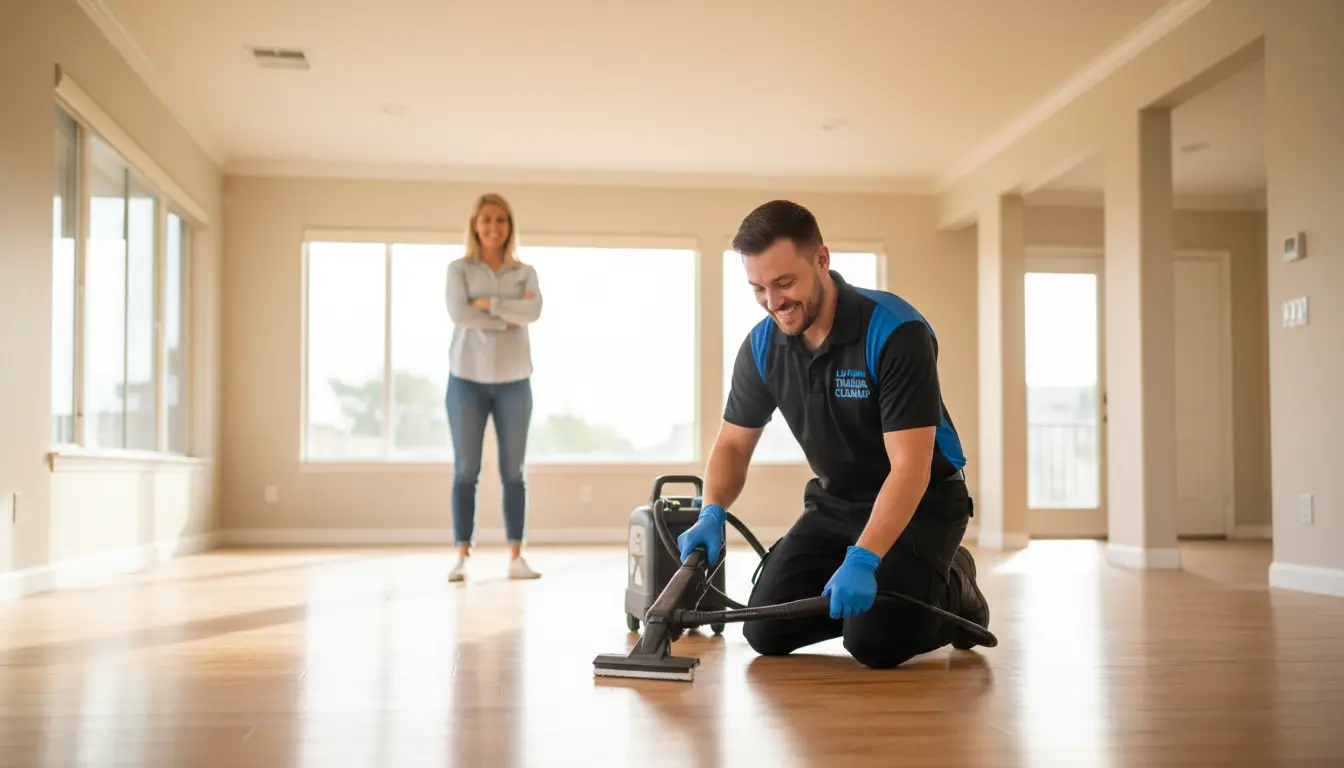
It’s 3 AM on a sweltering summer night in Las Vegas, and the phone at Las Vegas Trauma Cleanup rings, signaling an emergency response to a traumatic event. A concerned property manager from a high-rise condominium in the heart of the city is on the line, requesting immediate assistance with a biohazard emergency. The situation is dire: a resident has been found unresponsive, and the scene is contaminated with blood and other bodily fluids. The property manager is aware of the critical need for professional biohazard remediation to ensure the safety and well-being of the other residents and to comply with local regulations.
The importance of hiring a reputable and experienced trauma cleanup service in Las Vegas cannot be overstated. Not only is it crucial for maintaining a safe and healthy environment, but it is also legally required. The risks associated with improper cleanup, including the transmission of bloodborne pathogens and other diseases, are too great to ignore. Las Vegas Trauma Cleanup, with its team of certified experts and state-of-the-art equipment, is the go-to service provider for property managers and owners in the city. For immediate assistance, call (702) 602-9635.
In the midst of this chaos, the property manager is faced with a daunting task: finding a reliable and competent trauma cleanup service that can respond quickly and effectively to the situation. This is where Las Vegas Trauma Cleanup comes in – a company that specializes in providing discreet, compassionate, and thorough biohazard remediation services to properties in Las Vegas. With their expertise and guidance, property managers can navigate the complex process of trauma cleanup and restoration, ensuring that their properties are safe, clean, and free from the risks associated with biohazard contamination.
Technical Process
The technical process of trauma cleanup involves a series of steps that are designed to ensure the safe and effective removal of biohazards from a contaminated scene. The first step is hazard assessment, where the trauma cleanup team evaluates the scene to identify potential hazards and develop a plan for remediation. This is followed by the establishment of containment zones, which are designed to prevent the spread of contamination to other areas of the property.
Once the containment zones are in place, the team begins the process of bio-load removal, which involves the careful and meticulous removal of all contaminated materials, including blood, bodily fluids, and other hazardous substances. This is followed by chemical sanitization, which is designed to eliminate any remaining pathogens and prevent the risk of infection. Finally, the team conducts deodorization and ATP clearance, which involves the use of specialized equipment and techniques to remove any lingering odors and ensure that the scene is safe and clean.
Las Vegas Trauma Cleanup uses a variety of tools and equipment to perform these tasks, including HEPA air scrubbers, ozone generators, and electrostatic sprayers. The team is also trained in the use of EPA-registered, hospital-grade disinfectants, which are effective against a wide range of pathogens, including HIV, Hepatitis B and C, and other bloodborne diseases. For more information on the importance of proper biohazard cleanup services, visit our blog.
Data Comparison Table
When it comes to trauma cleanup, it’s essential to understand the differences between professional biohazard remediation and standard janitorial or DIY cleaning. The following table highlights some of the key differences:
| Feature/Metric | Professional Biohazard Remediation | Standard Janitorial Cleaning |
|---|---|---|
| Pathogen Eradication | 99.99% | 50-70% |
| Cross-Contamination Risk | Low | High |
| Legal/OSHA Compliance | Yes | No |
Source: OSHA Bloodborne Pathogens Standard
Expert Insights
As a certified senior biohazard and trauma cleanup expert, I can attest to the importance of proper training, equipment, and protocols when it comes to trauma cleanup. One of the most critical aspects of trauma cleanup is the handling of porous vs. non-porous materials. Porous materials, such as carpets and upholstery, can harbor pathogens and require specialized cleaning and disinfection protocols. Non-porous materials, such as hardwood floors and metal surfaces, can be cleaned and disinfected using standard protocols.
Another critical aspect of trauma cleanup is the use of enzyme-based bio-digesters. These products are designed to break down and digest organic matter, including blood and bodily fluids, and can be effective in eliminating odors and pathogens. However, they must be used in accordance with the manufacturer’s instructions and in conjunction with proper cleaning and disinfection protocols. For properties with hoarding situations, specialized cleaning and disinfection protocols may be required.
In addition to these technical considerations, it’s also essential to consider the emotional and psychological impact of trauma cleanup on individuals and families. Trauma cleanup can be a traumatic and stressful experience, and it’s essential to approach the situation with compassion, empathy, and understanding. Las Vegas Trauma Cleanup is committed to providing discreet, compassionate, and thorough biohazard remediation services to properties in Las Vegas, including Peccole Ranch and Aliante.
Pricing
The cost of trauma cleanup services can vary widely depending on a number of factors, including the size and complexity of the scene, the type and amount of biohazardous materials present, and the level of cleaning and disinfection required. Some of the factors that influence the cost of trauma cleanup include:
- Volume of bio-load: The amount of blood, bodily fluids, and other hazardous substances present at the scene can significantly impact the cost of cleanup.
- Required structural tear-out: In some cases, it may be necessary to remove and replace structural elements, such as subflooring or drywall, which can add to the overall cost.
- Regulated medical waste disposal: The disposal of biohazardous materials is heavily regulated, and the cost of proper disposal can be significant.
- Intensive odor treatments: In some cases, it may be necessary to use specialized equipment and techniques to eliminate lingering odors, which can add to the overall cost.
Safety & Standards
LAS Vegas Trauma Cleanup is committed to providing safe and effective trauma cleanup services that meet or exceed all applicable safety and health standards. Our team is certified in accordance with the American Bio Recovery Association (ABRA) and follows all OSHA protocols, including 29 CFR 1910.1030. We use only EPA-registered, hospital-grade disinfectants, which are effective against a wide range of pathogens, including HIV, Hepatitis B and C, and other bloodborne diseases.
FAQ Section
What is the difference between trauma cleanup and standard janitorial cleaning?
Trauma cleanup involves the removal and disposal of biohazardous materials, such as blood and bodily fluids, from a contaminated scene. Standard janitorial cleaning, on the other hand, involves the routine cleaning and maintenance of a property. While standard janitorial cleaning may be sufficient for everyday cleaning tasks, it is not equipped to handle the unique challenges and risks associated with trauma cleanup.
How long does trauma cleanup typically take?
The length of time required for trauma cleanup can vary widely depending on the size and complexity of the scene, as well as the level of cleaning and disinfection required. In some cases, trauma cleanup can be completed in a matter of hours, while in other cases, it may take several days or even weeks.
What are the risks associated with improper trauma cleanup?
Improper trauma cleanup can pose significant risks to individuals and families, including the transmission of bloodborne pathogens and other diseases. In addition, improper cleanup can also lead to legal liability, secondary infections, and structural damage to the property. For properties with vehicle biohazard contamination, specialized cleaning and disinfection protocols may be required.
Can I perform trauma cleanup myself?
No, it is not recommended that individuals attempt to perform trauma cleanup themselves. Trauma cleanup requires specialized training, equipment, and protocols, and can pose significant risks to individuals who are not properly trained and equipped. For more information on suicide cleanup services, visit our website.
Conclusion
In conclusion, trauma cleanup is a complex and specialized process that requires careful attention to detail and a commitment to safety and health standards. Las Vegas Trauma Cleanup is dedicated to providing discreet, compassionate, and thorough biohazard remediation services to properties in Las Vegas, including biohazard waste removal and property trauma restoration. If you are in need of trauma cleanup services, please do not hesitate to contact us at (702) 602-9635.
Our team of certified experts is available 24/7 to provide immediate assistance and support. We understand the emotional and psychological impact of trauma cleanup, and we are committed to providing compassionate and professional services to individuals and families in need. For more information on our services, visit our blog or about us page.
Remember, when it comes to trauma cleanup, it’s essential to prioritize safety, health, and compassion. Las Vegas Trauma Cleanup is here to help, and we are committed to providing the highest level of service and support to our clients.