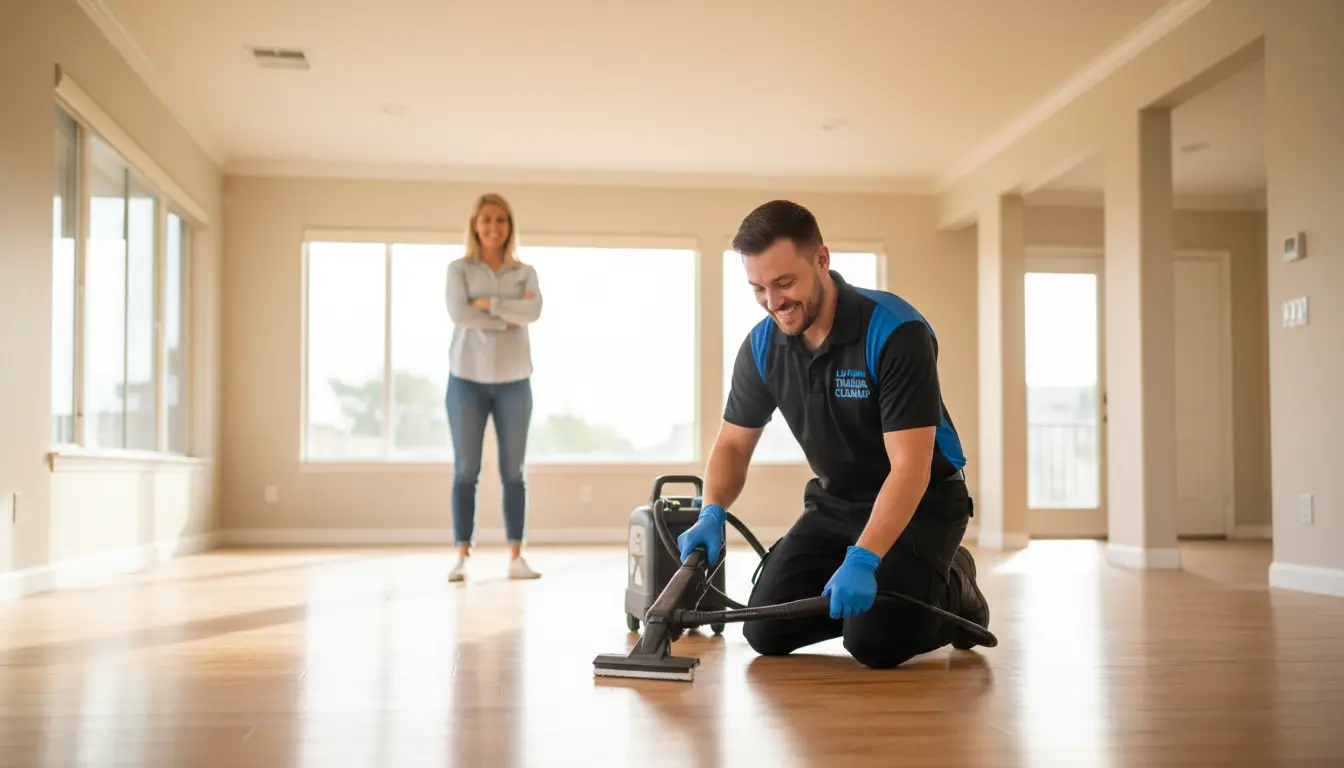
As a certified biohazard cleanup specialist, I recall a particularly challenging scene in a high-rise hotel near the Las Vegas Strip, where a traumatic event had occurred, leaving behind a hazardous environment that required immediate attention. The rapid decomposition of biological fluids in the extreme Mojave Desert heat posed a significant risk to the health and safety of hotel staff, guests, and the general public. This is just one example of the critical importance of professional trauma and biohazard remediation in Las Vegas, NV, where the unique combination of high-density residential properties, transient populations, and commercial hotel environments demands specialized expertise.
In such situations, it is crucial to understand that professional trauma and biohazard cleanup is not only legally required but also essential for preventing the spread of diseases and ensuring the safety of individuals who may be exposed to these hazardous environments. The process involves a thorough assessment of the scene, establishment of containment zones, removal of biohazardous materials, and comprehensive sanitization and deodorization. Las Vegas Trauma Cleanup, with its team of highly trained and compassionate professionals, stands out as the premier service provider in the area, committed to delivering discreet and efficient solutions. For immediate assistance, please call (702) 602-9635.
The importance of rapid response and effective biohazard cleanup near the Strip cannot be overstated, given the potential for cross-contamination and the spread of bloodborne pathogens. The community relies on services like Las Vegas Trauma Cleanup to ensure that properties are restored to a safe condition, adhering to the highest standards of the American Bio Recovery Association (ABRA) and the Occupational Safety and Health Administration (OSHA) Bloodborne Pathogens Standard.
Technical Process of Biohazard Cleanup
The technical process of biohazard cleanup involves several critical steps, starting with a thorough hazard assessment to identify all potential risks and contaminants present at the scene. This assessment informs the establishment of containment zones to prevent cross-contamination and the spread of pathogens to unaffected areas of the property. The removal of biohazardous materials, including blood, bodily fluids, and other potentially infectious materials, is then conducted with utmost care, utilizing personal protective equipment (PPE) and specialized tools such as HEPA air scrubbers and electrostatic sprayers to minimize airborne pathogens.
Following the removal of biohazardous materials, the area undergoes chemical sanitization, focusing on high-touch surfaces and areas with visible signs of contamination. This process involves the use of EPA-registered, hospital-grade disinfectants that are effective against a broad spectrum of pathogens, including HIV, Hepatitis B and C, and other bloodborne diseases. The final steps include deodorization and ATP (adenosine triphosphate) testing to ensure that the area is not only safe but also free from any residual odors that could indicate incomplete remediation.
Data Comparison: Professional Biohazard Remediation vs. Standard Janitorial/DIY Cleaning
It is essential to understand the significant differences between professional biohazard remediation and standard janitorial or DIY cleaning methods. The effectiveness of each approach can be compared based on several key factors, including pathogen eradication, cross-contamination risk, and legal/OSHA compliance.
| Feature/Metric | Professional Biohazard Remediation | Standard Janitorial/DIY Cleaning |
|---|---|---|
| Pathogen Eradication | 99.99% reduction of pathogens | Varying degrees of effectiveness, often leaving residual pathogens |
| Cross-Contamination Risk | Minimized through containment and proper disposal of infectious materials | High risk due to lack of proper protocols and equipment |
| Legal/OSHA Compliance | Full compliance with OSHA Bloodborne Pathogens Standard and other regulations | Non-compliance, potentially leading to legal and financial repercussions |
Source: OSHA Bloodborne Pathogens Standard
Expert Insights for Biohazard Cleanup
For individuals faced with the daunting task of biohazard cleanup, several expert insights can significantly improve the outcome and safety of the process. Firstly, understanding the difference between porous and non-porous materials is crucial, as each requires a distinct approach for effective decontamination. Porous materials, such as carpets and upholstery, often cannot be fully decontaminated and may need to be removed and disposed of as biohazardous waste. Non-porous surfaces, on the other hand, can typically be sanitized using appropriate disinfectants.
Another critical aspect is the chemistry behind enzyme-based bio-digesters, which break down protein-based substances like blood into harmless components. This process not only aids in the removal of biohazardous materials but also in reducing odors associated with decomposition. Lastly, strict adherence to PPE protocols is essential for protecting cleanup personnel from potential pathogens, highlighting the importance of proper training and equipment in biohazard remediation.
Common Mistakes in Biohazard Cleanup
Despite the best intentions, property owners and untrained individuals often make critical mistakes during biohazard cleanup that can have severe consequences. One of the most common errors is using standard household bleach on blood and other bodily fluids, which can actually increase the risk of cross-contamination and does not effectively neutralize all pathogens. Another mistake is the improper disposal of biohazardous waste, which is regulated by law and requires specialized handling to prevent environmental contamination and health risks.
Pricing for Biohazard Cleanup Services
The pricing for biohazard cleanup services can vary widely depending on several factors, including the volume of biohazardous materials present, the extent of the contamination, and the need for specialized equipment or personnel. Some services may charge an hourly rate for remediation work, while others may offer flat fees for specific types of cleanup, such as vehicle biohazard cleanup or hoarding remediation. Additionally, costs can be influenced by the requirement for regulated medical waste disposal, intensive odor treatments, or the need for structural repairs following the removal of contaminated materials.
- Hourly remediation rates: These can range from $100 to $300 per hour, depending on the complexity of the cleanup and the qualifications of the personnel involved.
- Flat fees for disposal: The cost of properly disposing of biohazardous waste can vary, often ranging from $100 to $500, depending on the volume and type of waste.
- Environmental testing fees: Conducting ATP testing or other forms of environmental sampling to ensure the area is safe can add to the overall cost, typically ranging from $50 to $200 per test.
Safety and Standards in Biohazard Cleanup
Safety and adherence to strict standards are paramount in the biohazard cleanup industry, not only to protect the health and well-being of cleanup personnel but also to ensure that properties are restored to a safe condition for future occupants. Certifications like those offered by the American Bio Recovery Association (ABRA) signify that a cleanup service has met rigorous standards for training, equipment, and protocols. Additionally, compliance with OSHA’s Bloodborne Pathogens Standard (29 CFR 1910.1030) is legally required and critical for preventing the spread of diseases.
The use of EPA-registered disinfectants that are hospital-grade and broad-spectrum is also a hallmark of professional biohazard cleanup services. These disinfectants have been proven effective against a wide range of pathogens, including HIV, Hepatitis B and C, and other bloodborne diseases, providing a high level of assurance that the cleaned area is safe for occupancy.
Frequently Asked Questions
What is the typical response time for biohazard cleanup teams near the Las Vegas Strip?
The response time for biohazard cleanup teams can vary depending on the location, time of day, and availability of personnel. However, for areas like the Las Vegas Strip, which require rapid response due to high foot traffic and the potential for widespread contamination, response times are typically within 1 to 2 hours. This rapid response is critical for minimizing the risk of cross-contamination and ensuring public safety.
How do I choose a reliable biohazard cleanup service in Las Vegas?
Choosing a reliable biohazard cleanup service in Las Vegas involves several key considerations. Look for services that are certified by reputable organizations such as ABRA, adhere to OSHA standards, and have positive reviews from previous clients. It’s also essential to ensure that the service has experience with the specific type of cleanup you need, whether it’s fast emergency trauma cleanup, biohazard cleanup, or vehicle biohazard cleanup. Consulting with experts and reading through blog posts on the subject can also provide valuable insights.
What are the health risks associated with biohazard cleanup if not done properly?
The health risks associated with improper biohazard cleanup are significant and can include the spread of bloodborne pathogens like HIV, Hepatitis B and C, and other diseases. Improperly cleaned areas can also harbor residual pathogens, posing a long-term risk to individuals who occupy the space. Furthermore, the use of inappropriate cleaning solutions or failure to follow proper protocols can exacerbate the situation, leading to increased risks of infection and disease transmission.
Can I perform biohazard cleanup myself, or is it recommended to hire a professional service?
While it might be tempting to attempt biohazard cleanup yourself, it is strongly recommended to hire a professional service. Biohazard cleanup requires specialized training, equipment, and knowledge of protocols to ensure safety and effectiveness. Professional services are better equipped to handle the risks associated with biohazardous materials and to restore properties to a safe condition, adhering to legal and health standards.
Conclusion
In conclusion, the importance of rapid and professional biohazard cleanup near the Las Vegas Strip cannot be overstated. The unique challenges posed by the area’s high-density population, transient nature, and extreme desert climate demand a specialized approach that only trained professionals can provide. For those facing the need for biohazard cleanup, whether due to a traumatic event, suicide cleanup, unattended death cleanup, or hoarding remediation, it is crucial to seek out reputable, certified, and compassionate services like Las Vegas Trauma Cleanup. By doing so, individuals can ensure that their properties are safely and effectively restored, protecting not only their own health but also that of their loved ones and the wider community.
For immediate assistance with biohazard cleanup or to learn more about our services, please do not hesitate to contact us at (702) 602-9635. Our team is dedicated to providing the highest level of service with compassion, discretion, and a commitment to safety and standards.