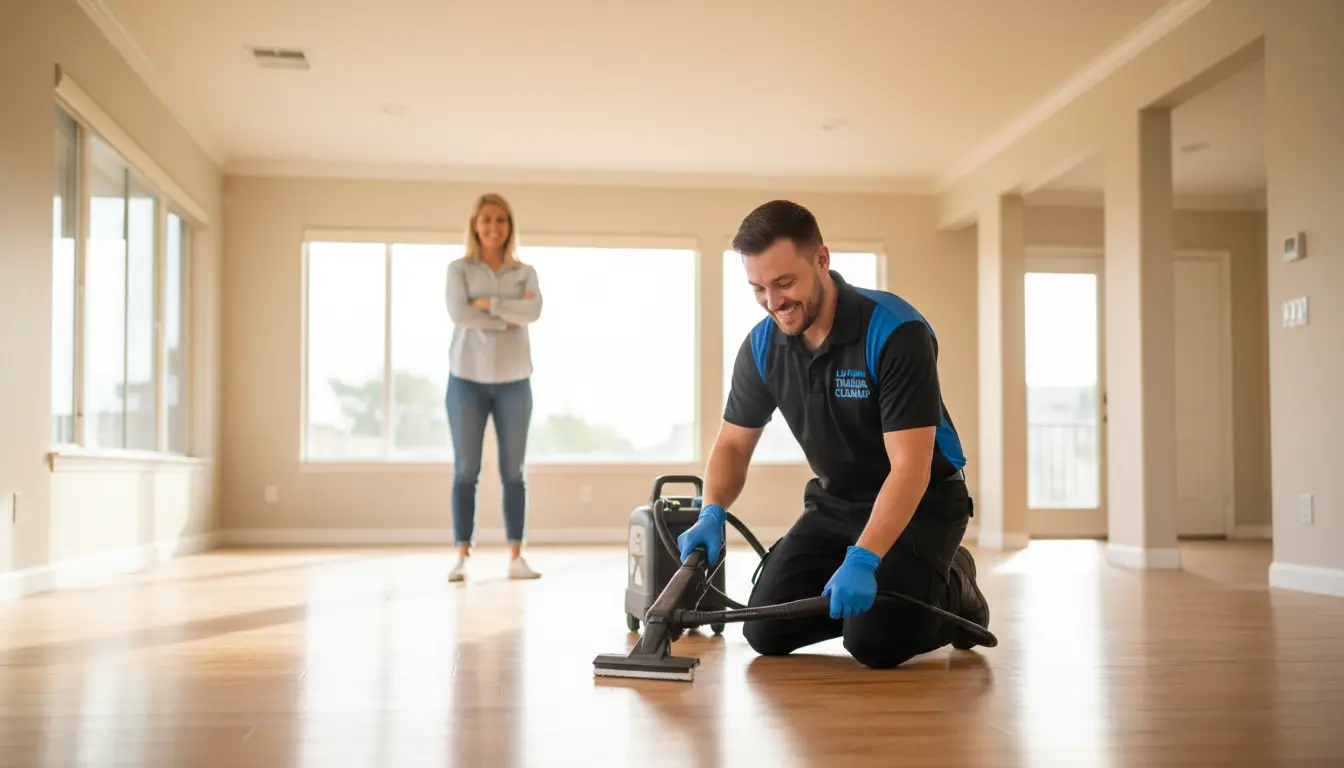
It’s 3 AM on a sweltering summer night in North Las Vegas, and a frantic 911 call has just been made. The police and paramedics are on their way, but they’re not the only ones who will be needed at the scene. A traumatic event has occurred, leaving behind a biological hazard that requires immediate attention from a professional trauma cleanup service. The family is in shock, and the last thing they need to worry about is the safety and sanitation of their home. This is where Las Vegas Trauma Cleanup comes in – a trusted and discreet service provider in the area, available 24/7 to handle even the most sensitive and dangerous situations.
The importance of professional trauma and biohazard remediation cannot be overstated. These situations are not only emotionally taxing but also pose significant health risks if not handled properly. The average person is not equipped with the necessary training, equipment, or expertise to safely clean and disinfect a trauma scene, which is why it’s crucial to call in the professionals. Las Vegas Trauma Cleanup can be reached at (702) 602-9635, and their team of certified experts is always ready to respond.
In the city of Las Vegas, where the extreme desert heat can rapidly accelerate biological decomposition and odor permeation, the need for swift and effective trauma cleanup is even more pressing. The unique challenges of trauma cleanup in high-density residential properties, transient populations, and commercial hotel environments require a deep understanding of the local conditions and the latest remediation techniques. Las Vegas Trauma Cleanup has the expertise and resources to tackle even the most complex trauma cleanup scenarios, ensuring that properties are restored to a safe and healthy state.
Trauma Cleanup Process
The professional trauma cleanup workflow is a meticulous and multi-step process that begins with a thorough hazard assessment. This initial evaluation helps identify potential risks and determines the best course of action for the cleanup. Establishing containment zones is critical to prevent cross-contamination and ensure that the affected area is isolated from the rest of the property. The next step involves the removal of bio-load, which can include everything from blood and bodily fluids to tissue and other organic matter.
Once the bio-load has been removed, the area is thoroughly cleaned and sanitized using specialized equipment and EPA-registered disinfectants. This is followed by a series of tests, including ATP testing, to verify that the area is safe and free from pathogens. The final step involves deodorization and odor elimination, which can be a challenging process, especially in cases where the trauma has resulted in significant blood spillage or tissue damage. Las Vegas Trauma Cleanup uses advanced techniques, such as ozone generation and electrostatic disinfection, to eliminate even the most persistent odors.
For more information on the trauma cleanup process and the importance of professional remediation, please visit our services page or contact us directly to speak with a certified expert.
Data Comparison
When it comes to trauma cleanup, the difference between professional biohazard remediation and standard janitorial or DIY cleaning is stark. The following table highlights the key differences between these two approaches:
| Feature/Metric | Professional Biohazard Remediation | Standard Janitorial Cleaning |
|---|---|---|
| Pathogen Eradication | 99.99% | 50-70% |
| Cross-Contamination Risk | Low | High |
| Legal/OSHA Compliance | Full compliance | Partial or no compliance |
Source: OSHA Bloodborne Pathogens Standard
Expert Insights
As a certified senior biohazard and trauma cleanup expert, I can attest that proper handling of porous vs. non-porous materials is crucial in preventing cross-contamination. Porous materials, such as carpets and upholstery, can harbor pathogens and require specialized cleaning and disinfection. On the other hand, non-porous materials, such as metals and plastics, can be effectively cleaned and disinfected using EPA-registered disinfectants.
Another critical aspect of trauma cleanup is the use of enzyme-based bio-digesters. These products can break down organic matter, such as blood and tissue, and eliminate the associated odors. However, they must be used in accordance with the manufacturer’s instructions and in conjunction with other cleaning and disinfection methods.
Finally, strict PPE protocols are essential in preventing the transmission of bloodborne pathogens and other infectious diseases. This includes wearing gloves, masks, and eye protection, as well as ensuring that all equipment and surfaces are properly cleaned and disinfected.
Pricing
The cost of trauma cleanup can vary widely depending on several factors, including the volume of bio-load, the extent of the damage, and the required structural tear-out. Here are some typical pricing structures:
- Hourly remediation rates: $100-$300 per hour
- Flat fees for disposal: $500-$2,000
- Environmental testing fees: $500-$1,000
It’s essential to note that these prices are only estimates, and the actual cost of trauma cleanup may be higher or lower, depending on the specific circumstances.
Safety and Standards
Las Vegas Trauma Cleanup is committed to adhering to the highest safety standards and protocols, including those set by OSHA and the American Bio Recovery Association (ABRA). Our team of certified experts uses only EPA-registered, hospital-grade disinfectants and follows strict PPE protocols to prevent the transmission of bloodborne pathogens and other infectious diseases.
We also understand the importance of vector control and take steps to prevent the spread of disease-carrying insects and animals. Our services include vehicle biohazard cleanup, forensic evidence cleaning, and pathogen decontamination, among others.
FAQ
What is the difference between trauma cleanup and standard cleaning?
Trauma cleanup involves the removal and disposal of biological hazards, such as blood and bodily fluids, from a crime scene or accident. Standard cleaning, on the other hand, is a general term that refers to the removal of dirt, dust, and other substances from a surface. Trauma cleanup requires specialized training, equipment, and protocols to ensure that the area is safe and free from pathogens.
How long does trauma cleanup take?
The length of time required for trauma cleanup can vary widely depending on the extent of the damage and the volume of bio-load. In some cases, the cleanup may take only a few hours, while in other cases, it may take several days or even weeks.
Is trauma cleanup covered by insurance?
In many cases, trauma cleanup is covered by insurance, including homeowners and auto insurance policies. However, the specific coverage and requirements can vary depending on the policy and the circumstances of the incident.
Can I do trauma cleanup myself?
No, it’s not recommended to attempt trauma cleanup yourself. Trauma cleanup requires specialized training, equipment, and protocols to ensure that the area is safe and free from pathogens. Improper cleanup can lead to the spread of disease and other health risks, as well as legal and financial liability.
Conclusion
In conclusion, trauma cleanup is a critical and complex process that requires specialized training, equipment, and protocols. Las Vegas Trauma Cleanup is a trusted and discreet service provider in the area, available 24/7 to handle even the most sensitive and dangerous situations. Our team of certified experts is committed to adhering to the highest safety standards and protocols, including those set by OSHA and ABRA.
If you’re in need of trauma cleanup services, don’t hesitate to call us at (702) 602-9635. We’re here to help you navigate the process and ensure that your property is restored to a safe and healthy state. For more information on our services, including discreet trauma services and property trauma restoration, please visit our website or contact us directly.