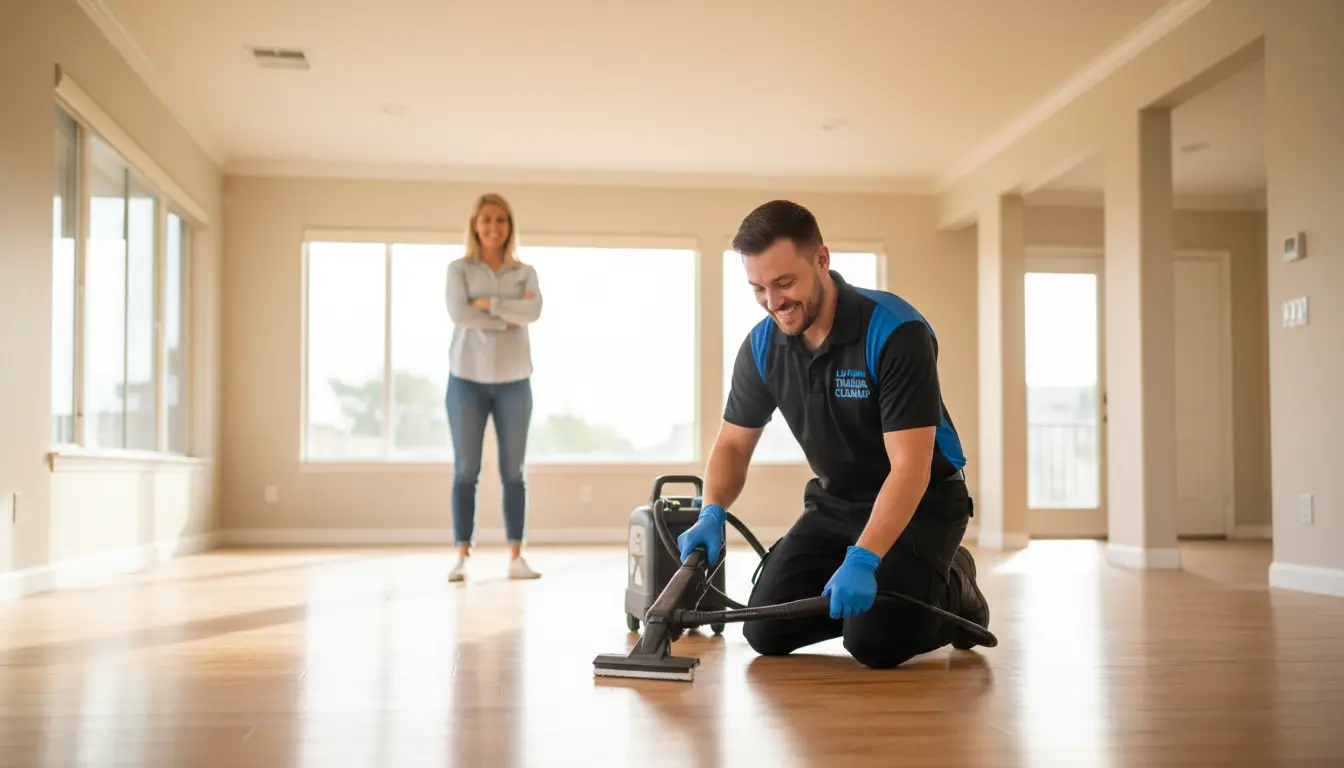
Imagine walking into a home in Summerlin, only to be met with the devastating aftermath of an unattended death. The air is thick with the smell of decomposition, and the once-pristine floors are now stained with biohazards. As a certified senior biohazard and trauma cleanup expert, I’ve seen firsthand the importance of professional trauma and biohazard remediation in Las Vegas, NV. It’s not just about cleaning up the visible mess – it’s about ensuring the safety and health of everyone who enters the property.
In situations like these, it’s critical to call in the professionals. Las Vegas Trauma Cleanup is the premier service provider in the area, with a team of highly trained experts who understand the intricacies of biohazard remediation. We’re not just cleaners – we’re specialists who know how to navigate the complexities of trauma cleanup, from hazard assessment to deodorization and ATP clearance. If you’re facing a situation like this, don’t hesitate to reach out to us at (702) 602-9635.
But what exactly does unattended death cleanup entail, and how much does it cost? The answer depends on several factors, including the volume of bio-load, the required structural tear-out of subflooring or drywall, and the intensity of odor treatments. In this article, we’ll delve into the technical process of trauma cleanup, explore the costs associated with it, and provide expert insights into the world of biohazard remediation.
Trauma Cleanup Workflow
The first step in any trauma cleanup is hazard assessment. This involves identifying potential biohazards, such as blood, bodily fluids, and tissue, and determining the best course of action for removal. Our team uses specialized equipment, including HEPA air scrubbers and ozone generators, to contain and neutralize the biohazards. We also establish containment zones to prevent cross-contamination and ensure that the affected area is completely isolated.
Once the biohazards have been removed, we begin the process of chemical sanitization. This involves using EPA-registered, hospital-grade disinfectants to eliminate any remaining pathogens. We also use electrostatic sprayers to ensure that all surfaces are thoroughly coated and disinfected. Finally, we use ATP testing to verify that the area is safe and free of biohazards.
Technical Process
In addition to the steps outlined above, our team also uses specialized tools and equipment to ensure that the trauma cleanup is done efficiently and effectively. For example, we use enzymatic cleaners to break down and digest protein-based biohazards, such as blood and tissue. We also use vector control measures to prevent the spread of diseases and pests.
One of the most critical aspects of trauma cleanup is the use of personal protective equipment (PPE). Our team wears specialized suits, gloves, and masks to prevent exposure to biohazards and ensure that we can work safely and effectively. We also follow strict protocols for the disposal of biohazardous waste, including regulated medical waste disposal fees.
Data Comparison Table
The following table compares the key features and metrics of professional biohazard remediation versus standard janitorial or DIY cleaning:
| Feature/Metric | Professional Biohazard Remediation | Standard Janitorial Cleaning |
|---|---|---|
| Pathogen Eradication | 99.99% | 50-70% |
| Cross-Contamination Risk | Low | High |
| Legal/OSHA Compliance | Yes | No |
Source: OSHA Bloodborne Pathogens Standard
Expert Insights
As a certified senior biohazard and trauma cleanup expert, I’ve learned a few key tips and tricks that can make all the difference in the world of trauma cleanup. First, it’s essential to understand the importance of proper handling and disposal of biohazardous waste. This includes using specialized containers and following strict protocols for disposal.
Second, it’s critical to use the right equipment and tools for the job. This includes everything from HEPA air scrubbers and ozone generators to electrostatic sprayers and enzymatic cleaners. By using the right tools, we can ensure that the trauma cleanup is done efficiently and effectively.
Finally, it’s essential to follow strict protocols for the use of personal protective equipment (PPE). This includes wearing specialized suits, gloves, and masks to prevent exposure to biohazards and ensure that we can work safely and effectively.
Pricing
The cost of unattended death cleanup can vary widely, depending on several factors, including the volume of bio-load, the required structural tear-out of subflooring or drywall, and the intensity of odor treatments. Here are some realistic pricing structures to expect:
- Hourly remediation rates: $100-$300 per hour
- Flat fees for disposal: $500-$2,000
- Specific environmental testing fees: $500-$2,000
It’s also important to note that the cost of trauma cleanup can be influenced by a variety of factors, including the size of the affected area, the type and amount of biohazards present, and the level of complexity involved in the cleanup.
Safety and Standards
At Las Vegas Trauma Cleanup, we’re committed to following the highest standards of safety and protocol. This includes adhering to OSHA protocols (29 CFR 1910.1030) and using EPA-registered, hospital-grade disinfectants. We’re also certified by the American Bio Recovery Association (ABRA) and follow strict guidelines for the use of personal protective equipment (PPE) and the disposal of biohazardous waste.
FAQ Section
What is the difference between professional biohazard remediation and standard janitorial cleaning?
Professional biohazard remediation is a specialized service that involves the removal and disposal of biohazards, such as blood, bodily fluids, and tissue. Standard janitorial cleaning, on the other hand, is a general cleaning service that may not be equipped to handle biohazards. Professional biohazard remediation is essential for ensuring the safety and health of everyone who enters the property.
How long does trauma cleanup take?
The length of time required for trauma cleanup can vary widely, depending on several factors, including the size of the affected area, the type and amount of biohazards present, and the level of complexity involved in the cleanup. In general, trauma cleanup can take anywhere from a few hours to several days or even weeks.
What are the risks associated with DIY trauma cleanup?
DIY trauma cleanup can be extremely risky, as it involves exposure to biohazards and the potential for cross-contamination. Without proper training and equipment, individuals who attempt DIY trauma cleanup may put themselves and others at risk of infection or disease. It’s essential to call in the professionals to ensure that the trauma cleanup is done safely and effectively.
How do I choose a reliable trauma cleanup service?
When choosing a reliable trauma cleanup service, it’s essential to look for certifications, such as ABRA, and adherence to OSHA protocols. You should also ask about the company’s experience, equipment, and protocols for the use of personal protective equipment (PPE) and the disposal of biohazardous waste.
Professional Trauma Cleanup in Las Vegas, NV
In conclusion, unattended death cleanup is a critical service that requires specialized training, equipment, and protocols. At Las Vegas Trauma Cleanup, we’re committed to providing safe, thorough, and discreet trauma cleanup services to families and property owners in Las Vegas, NV. If you’re facing a situation like this, don’t hesitate to reach out to us at (702) 602-9635. We’re here to help, and we’re dedicated to ensuring that your property is safe, healthy, and free of biohazards.